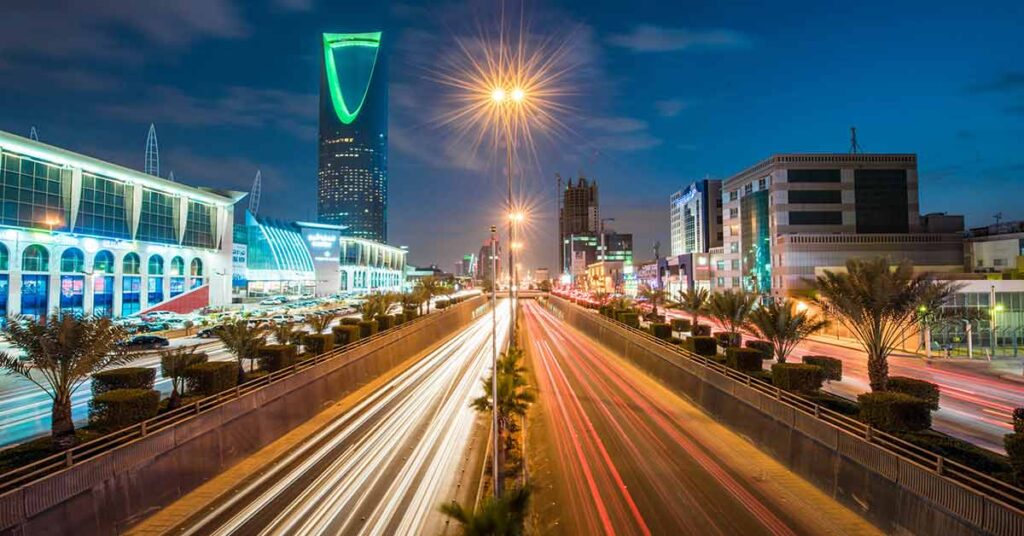
Saudi Arabia’s real estate sector is undergoing a dramatic evolution. Fueled by Vision 2030, massive government spending, and unprecedented private‑sector participation, the Kingdom is reshaping its urban landscape at a pace unmatched in the region. From Riyadh’s booming residential demand to Jeddah’s hospitality surge and the rise of futuristic giga‑projects like NEOM and Qiddiya, the property market is becoming one of the most dynamic investment destinations in the world.
1. Vision 2030: The Engine Behind Real Estate Expansion
Saudi Arabia’s Vision 2030 reforms are the backbone of the country’s real estate boom. Deloitte reports that the Kingdom is set for robust growth through 2025, driven by economic diversification, global events like EXPO 2030 and the FIFA World Cup 2034, and giga‑projects such as NEOM, The Red Sea, and Qiddiya. These developments are creating entirely new urban hubs and tourism destinations.
2. Residential Market: Strong Demand and Rising Prices
The residential sector is experiencing sustained demand, especially in major cities:
- Riyadh continues to dominate growth, with apartment prices rising 10.6% and villa prices 6.3% in 2024.
- Nearly half of all new jobs created in the past five years were in Riyadh, intensifying housing demand.
- The government plans 330,000 new housing units to support the 70% homeownership target by 2030.
- Residential transactions grew 38% in 2024, reaching 202,661 deals worth SAR 164.8 billion.
This surge is supported by a rebound in mortgage issuance, up 17.7% in 2024, driven largely by villa purchases.
3. Commercial & Office Sector: High Occupancy and Limited Supply
Riyadh’s office market is under significant pressure, with Grade A occupancy at 99%, forcing companies to pre‑lease space ahead of time. Approximately 0.5 million sqm of new supply is expected in 2026, but demand remains strong due to the Regional HQ Program attracting multinational firms.
4. Retail & Hospitality: Reinventing the Urban Experience
Saudi Arabia is redefining retail and hospitality:
- Traditional malls are being replaced by large destination hubs with walkable layouts and digital integration.
- Online transactions have grown 21%, influencing retail design and tenant mix.
- Hospitality is shifting toward luxury and heritage‑driven projects, supported by anchor attractions like Six Flags Qiddiya City.
These trends align with the Kingdom’s push to attract 150 million tourists annually by 2030.
5. Industrial & Logistics: A Technology‑Driven Transformation
The industrial sector is evolving rapidly:
- Focus on smart infrastructure and data center capacity
- Strong rental growth for high‑specification warehousing in Riyadh and Jeddah
- Growth driven by e‑commerce, manufacturing localization, and supply‑chain modernization
This positions Saudi Arabia as a regional logistics powerhouse.
6. Market Size and Investment Outlook
According to Mordor Intelligence, the Saudi real estate market is valued at USD 72.84 billion in 2026 and is projected to reach USD 102.96 billion by 2031, growing at a 7.17% CAGR. This growth is supported by:
- A maturing mortgage system
- PIF financing of USD 40 billion annually
- Regulatory upgrades such as expanded REIT rules and premium residency permits
These reforms are narrowing the Kingdom’s risk premium and attracting global investors.
7. Foreign Ownership & Regulatory Reforms
New laws are reshaping the investment landscape:
- The Premium Residency Visa allows foreigners to buy property over USD 1 million, unlocking new demand.
- The new foreign ownership law aims to attract global talent and investment.
These changes make Saudi Arabia one of the most open real estate markets in the region.
8. The Rise of Giga‑Projects
Saudi Arabia’s giga‑projects are redefining the future of urban living:
- NEOM – a futuristic region with smart cities, industrial zones, and tourism hubs
- Qiddiya – the Kingdom’s entertainment capital
- The Red Sea Project – luxury tourism and ecological preservation
- Diriyah Gate – cultural and heritage‑focused urban development
These projects are not just real estate ventures — they are catalysts for economic diversification and global positioning.